
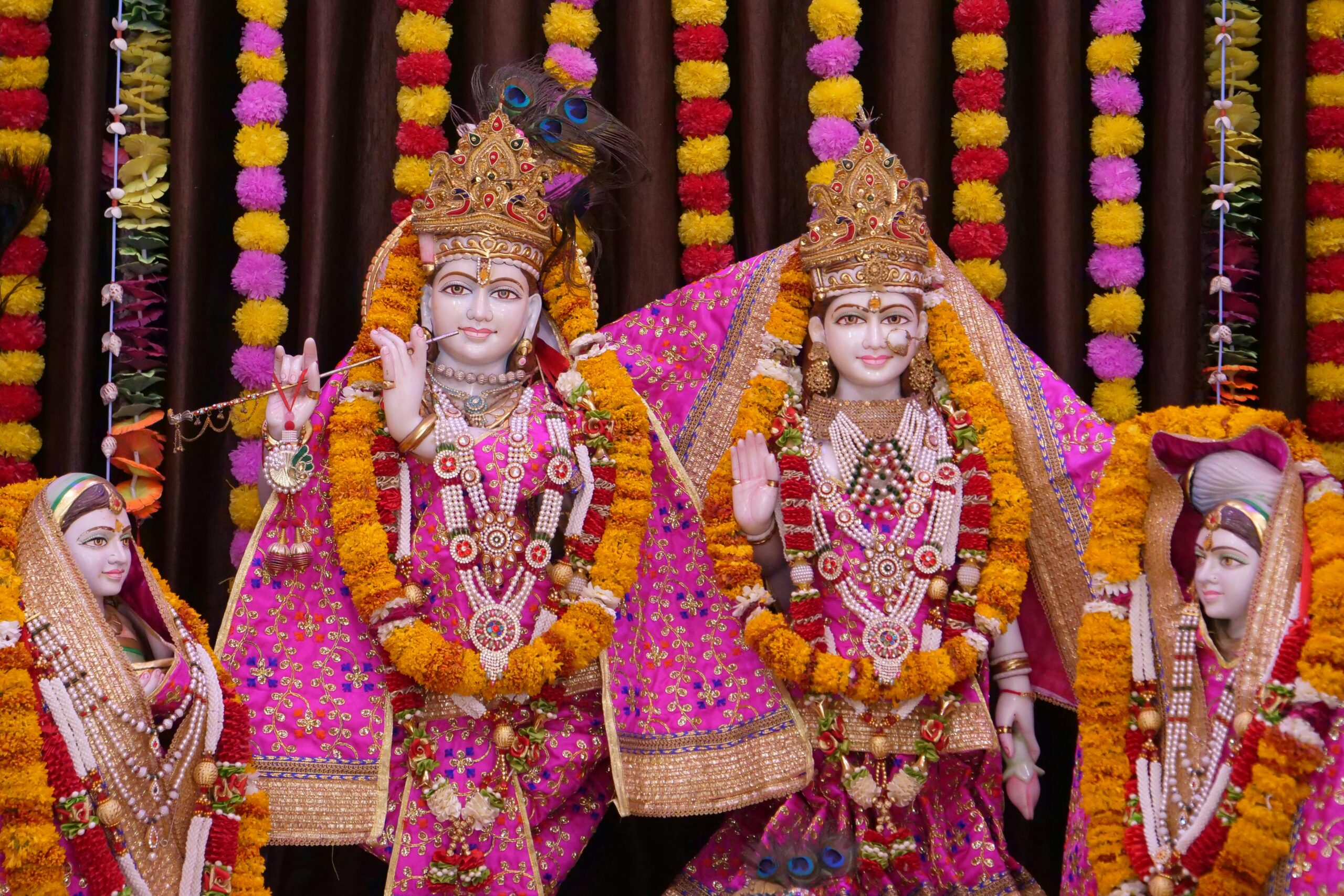
Mathura Vrindavan Honeymoon Package A Romantic Getaway, When you think “honeymoon,” your mind probably jumps to beaches, mountains, or exotic international destinations. But what if I told you there’s a place where every stone whispers love stories, where romance isn’t just in the air but woven into the very fabric of existence? Welcome to Mathura Vrindavan—not your typical honeymoon destination, but perhaps the most meaningful one you’ll ever consider.
These twin cities on the banks of the Yamuna River are consecrated to love itself. This is where Lord Krishna and Radha’s divine romance unfolded—a love so pure, so eternal, that it has inspired poets, artists, and lovers for over 5,000 years. Choosing Mathura Vrindavan for your honeymoon isn’t just about visiting temples; it’s about beginning your married life in a place where love is worshipped as the ultimate reality. Intrigued? Let’s explore how these sacred cities can become the backdrop for your own eternal love story.
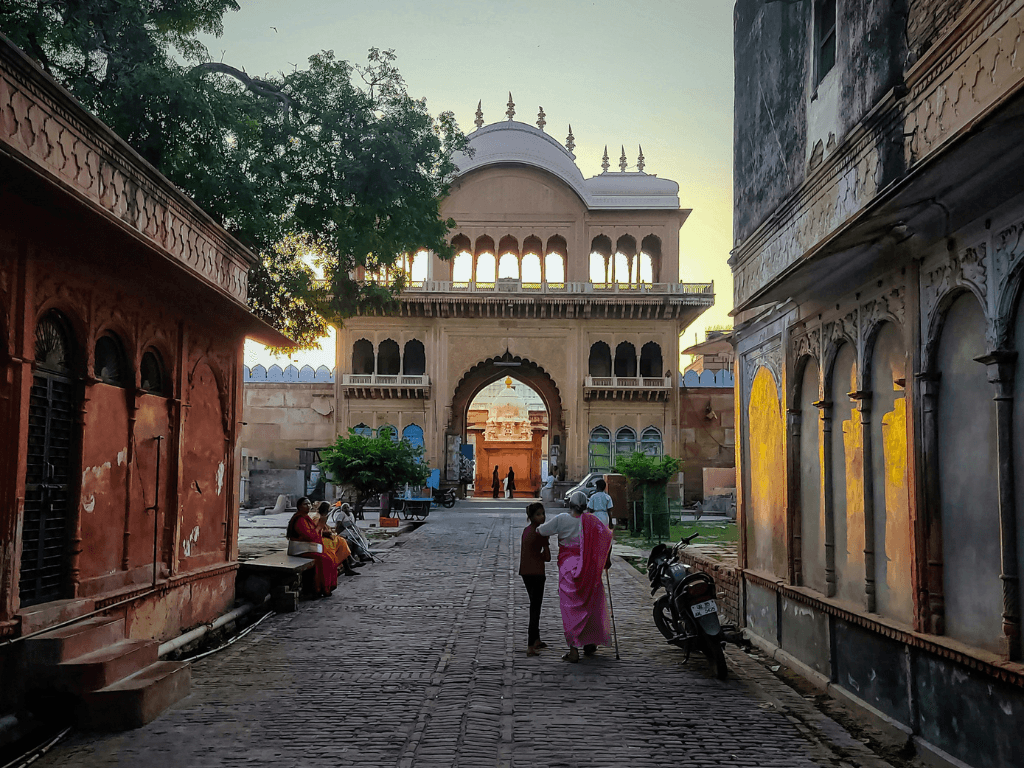
Why Choose Mathura Vrindavan for Your Honeymoon?
Beyond the Conventional Beach Resort
Mathura Vrindavan Honeymoon Package A Romantic Getaway , Don’t get me wrong—beaches are beautiful. But they’re also crowded with honeymooners, predictable in their romance, and honestly, a bit clichéd. Mathura Vrindavan offers something deeper and more distinctive. Instead of manufactured romance in resort packages, you’ll discover authentic spiritual connection in one of India’s most sacred landscapes.
This choice speaks to couples seeking substance over superficiality. You’re not just tourists consuming experiences; you’re pilgrims of love exploring its spiritual dimensions. While others post generic sunset photos from Maldives, you’ll have stories about witnessing devotional ceremonies that moved you to tears, exploring mystical groves where legends come alive, and connecting with your partner on levels beyond the physical.
The intimacy here isn’t forced through couple spa packages and candlelight dinners (though those exist too!). It emerges naturally from shared spiritual experiences, from holding hands during sunset aarti, from the silence you share watching dawn break over the Yamuna, from conversations about meaning and purpose that sacred spaces inspire.
The Land of Divine Love
Mathura Vrindavan isn’t just associated with love—it IS love personified. Every temple, every ghat, every grove celebrates the Radha-Krishna love story, which isn’t merely romantic but represents the soul’s yearning for the divine. This theological depth transforms your honeymoon from vacation to pilgrimage of the heart.
Radha and Krishna’s love transcends conventional marriage. Radha was married to someone else, yet her love for Krishna is celebrated as the purest form of devotion. This paradox contains profound wisdom about love’s spiritual nature—it isn’t about ownership or obligation but about surrender, devotion, and transcendent connection.
Beginning your marriage surrounded by this energy, these stories, and this devotional atmosphere can profoundly influence how you understand and practice love in your own relationship. You’re not just newlyweds on holiday; you’re devotees at the altar of love itself.
Understanding the Romantic Essence
Radha-Krishna: The Eternal Love Story
To truly appreciate honeymooning in Mathura Vrindavan, you need to understand the Radha-Krishna narrative. Krishna, the eighth incarnation of Lord Vishnu, spent his childhood in Vrindavan performing divine leelas (plays). Radha, a cowherd maiden, became his beloved, and their relationship—expressed through dance, music, playful teasing, and profound devotion—represents the ultimate love between the individual soul and the cosmic divine.
Their love story isn’t typical boy-meets-girl romance. It’s intense, playful, painful, ecstatic, and eternal. Krishna eventually leaves Vrindavan for his destiny as king and warrior, yet Radha’s love never wavers. This separation and eternal longing form the core of much devotional poetry and philosophy.
Why does this matter for honeymooners? Because it offers a model of love that’s about more than compatibility and attraction. It’s about seeing the divine in your partner, maintaining devotion through life’s challenges, and understanding that true love transcends circumstance.
Spiritual Connection in Modern Romance
Modern marriages face unprecedented challenges—constant connectivity, career pressures, comparison culture through social media, and weakened community support systems. Starting your marriage with strong spiritual foundations can provide the resilience and depth to navigate these challenges.
Mathura Vrindavan encourages couples to see marriage as sacred partnership, not just legal contract or romantic arrangement. The temples, rituals, and atmosphere all reinforce that you’re not just two individuals but a unit with spiritual significance and purpose.
Couples who honeymoon here often report unexpected depth in their conversations. The sacred environment naturally draws out discussions about values, life purpose, and what you want your marriage to represent. These aren’t awkward “deep talks” but organic reflections inspired by the energy surrounding you.
Best Time for a Romantic Honeymoon
Winter Months: Pleasant Weather
November through February offers ideal conditions for romance. Temperatures hover between 10-25°C—cool enough for comfortable exploration and evening strolls, warm enough during the day for pleasant outdoor activities. The crisp air, clear skies, and moderate weather create perfect conditions for the intimate experiences you’re seeking.
Winter evenings are particularly magical. As the sun sets and temperatures drop, there’s natural inclination to draw close, wrap shawls around each other, and share warmth—physical closeness that feels organic rather than forced. The cool weather makes sunset boat rides absolutely enchanting, with mist sometimes rising from the river creating ethereal atmosphere.
The winter months are peak tourist season, meaning more crowds at major temples. However, for couples, this can actually enhance rather than diminish experience—the collective devotional energy, the constant flow of pilgrims, and the vibrant atmosphere all contribute to the sense that you’re part of something larger than yourselves.
Monsoon Season: Unexpected Romance
July through September brings monsoon rains, and while many avoid this season, adventurous couples find unique romance here. The landscape transforms—everything becomes lush and green, the Yamuna swells with rainwater, and the entire atmosphere turns dreamy and introspective.
Monsoon in Mathura Vrindavan offers quieter, more intimate experiences. Fewer tourists mean more privacy at temples and ghats. Imagine having stunning locations almost to yourselves, the sound of rain on ancient stones, the petrichor mixing with temple incense, and the cozy feeling of sharing an umbrella while exploring.
The unpredictability adds adventure—you might need to change plans due to downpours, creating spontaneity and shared problem-solving that actually strengthens bonds. Watching storms over the Yamuna from your hotel room, making tea during rain delays, and navigating wet streets together creates unique memories and inside jokes.
Just ensure your accommodation is comfortable, as you’ll spend more time indoors. Properties with good views, cozy interiors, and perhaps a fireplace become perfect monsoon refuges.
Festival Times: Cultural Celebration
Honeymooning during major festivals like Janmashtami (August-September) or Holi (March) immerses you in cultural celebration at its most intense. The cities explode with color, music, elaborate decorations, special rituals, and an ecstatic atmosphere that’s intoxicating.
Janmashtami, Krishna’s birthday, involves midnight celebrations with temple bells ringing, devotees singing, elaborate decorations, and special prasad. Participating as newlyweds, receiving blessings during these auspicious times, and witnessing the collective joy creates powerful shared memories.
Holi in Vrindavan—particularly at Banke Bihari temple—is legendary. The playful color-throwing, the devotional songs, and the permission to be childlike and carefree offers couples a chance to let loose together. There’s something bonding about being completely covered in colored powder, laughing at each other’s appearance, and sharing in communal celebration.
Festival times require significant advance booking and higher tolerance for crowds and chaos. But for couples who want their honeymoon to be extraordinary rather than just relaxing, festival timing delivers unforgettable experiences.
Romantic Accommodations for Couples
Heritage Hotels with Royal Charm
Several heritage properties in Mathura Vrindavan offer couples the romance of staying in historical buildings with royal pedigree. Properties like Brijrama Palace, set on the banks of the Yamuna, combine heritage architecture with modern luxury specifically designed for couples seeking romantic ambiance.
These hotels typically feature period furniture, traditional architecture, courtyards with fountains, and attention to detail that creates atmosphere impossible to replicate in modern constructions. Staying here feels like stepping back into a more graceful era where romance was an art form.
Heritage properties often offer special honeymoon packages including decorated rooms with flower petals and candles, complimentary romantic dinners, couple spa treatments, and personalized services. The staff at these properties understand what honeymooners seek and provide discreet, anticipatory service that enhances intimacy.
Expect to pay 8,000-20,000 rupees per night for quality heritage properties, though the ambiance, service, and romantic atmosphere justify the premium pricing.
Boutique Properties with Privacy
Smaller boutique hotels and guesthouses offer intimate settings ideal for couples prioritizing privacy. Properties with only 5-10 rooms provide personalized attention and quiet atmosphere where you’re not just room numbers in a massive resort.
These boutiques often have unique character—perhaps housed in renovated havelis with rooftop terraces offering river views, or garden properties set back from busy streets providing peaceful seclusion. The emphasis is on creating spaces where couples can truly disconnect and focus on each other.
Many boutiques now cater specifically to honeymooners with couple-centric amenities: four-poster beds with romantic drapery, private balconies or terraces, in-room dining options, and perhaps private plunge pools or jacuzzis.
Boutique properties typically range from 4,000-12,000 rupees per night, offering luxury and privacy at more accessible price points than larger heritage hotels.
Luxury Resorts Near the Yamuna
Several upscale resorts have developed along the Yamuna River, offering modern luxury with spiritual settings. These properties combine five-star amenities—swimming pools, spas, multiple dining options, fitness centers—with convenient access to temples and spiritual sites.
For couples wanting both spiritual experience and resort-style comfort, these properties provide perfect balance. Spend mornings exploring temples, return for poolside lunch and afternoon spa treatments, then head out for evening aarti before returning to elegant dinner and comfortable rooms.
The advantage here is comprehensive facilities under one roof. If one partner is more spiritually inclined while the other prefers relaxation, these resorts accommodate both preferences without compromise.
Luxury resorts typically charge 10,000-25,000 rupees per night, with honeymoon packages often including extras like room upgrades, spa credits, and special dining experiences.
Riverside Cottages and Retreats
For couples seeking intimate seclusion, several properties offer individual cottages or villas along the Yamuna or in quieter areas slightly outside main cities. These provide maximum privacy—your own space, often with private gardens or terraces, separated from other guests.
Riverside cottages offer the romance of waking to river views, having private outdoor spaces for morning chai or evening star-gazing, and the feeling of having escaped into your own private sanctuary while still accessing nearby temples and attractions.
These properties often emphasize natural surroundings, simple luxury, and creating spaces for couples to truly connect without distractions. Some offer wellness programs, yoga sessions, or meditation guidance as part of the experience.
Pricing varies widely (3,000-15,000 rupees per night) depending on amenities and location, but even modest cottages provide the privacy and atmosphere that honeymooners treasure.
Intimate Experiences for Couples
Private Boat Rides at Sunset
Few experiences rival the romance of a private boat ride on the Yamuna during sunset. Book a boat for just the two of you—no crowds, no rush, just gentle rocking on sacred waters as the sun paints the sky in impossible colors.
The boat glides past ghats where devotees perform evening rituals, temples illuminated against darkening skies, and riverine life continuing as it has for centuries. The sounds—temple bells, devotional songs, water lapping against the boat—create a meditative soundtrack to your intimacy.
Bring a picnic dinner, some wine (though remember the cities are officially dry, so discretion is advised), or simply enjoy each other’s company in this timeless setting. The boatman will maintain discreet distance, giving you privacy while ensuring safety.
Private boat rides cost 1,000-2,500 rupees for 1-2 hours depending on boat type and timing. Sunset slots are most popular, so book through your hotel or directly with reputable operators near major ghats.
Couples’ Aarti Experience
Evening aarti ceremonies at major ghats create powerful shared spiritual experiences. Stand together at Vishram Ghat or Keshi Ghat, holding hands as hundreds of small lamps float down the river, devotional songs rise into the twilight, and the energy of thousands of pilgrims’ devotion surrounds you.
There’s something profoundly bonding about participating in rituals together, even if you don’t fully understand them. The shared reverence, the beauty, the sense of connection to something larger—these experiences create intimacy on spiritual levels that complement physical romance.
Some properties and tour operators arrange private aarti experiences where priests perform personalized ceremonies for couples, offering blessings for your marriage. These intimate versions of large public ceremonies feel specially meant for you, creating powerful emotional memories.
Whether participating in public aartis or private ceremonies, these experiences often become honeymoon highlights that couples remember more vividly than expensive dinners or typical tourist activities.
Moonlit Temple Walks
Several temples and temple complexes remain open late or even operate 24 hours. Nighttime temple visits offer completely different atmosphere from daytime crowds—quieter, more mysterious, illuminated by lamps and moonlight rather than harsh sun.
Prem Mandir, spectacularly lit at night, becomes magical after dark. Walking hand-in-hand through the illuminated complex, with colored lights transforming the white marble and relatively fewer people around, creates fairy-tale atmosphere.
Some temples, particularly those along the Yamuna, are beautiful at night with reflections on water and the peaceful nighttime rhythm of devotion. The cooler temperatures, the reduced crowds, and the slightly mysterious quality of exploring sacred spaces at night all enhance romantic mood.
Always check temple timings and ensure safety. Some areas are better avoided at night, so consult your hotel about appropriate late-evening temple visits. Going with a guide adds security and information while still maintaining intimate atmosphere.
Romantic Temples and Sacred Spaces
Prem Mandir: The Temple of Love
Prem Mandir—literally “Temple of Love”—couldn’t be more perfect for honeymooners. This stunning white marble temple, completed in 2012, celebrates divine love through intricate carvings depicting Radha-Krishna stories covering every surface.
The temple’s design creates multiple intimate spaces—alcoves, gardens, walkways—where couples can explore together. The carving details reward slow, close observation, giving you reasons to lean close, point out discoveries to each other, and share moments of aesthetic appreciation.
The evening light show transforms the temple into something from a dream—the white marble illuminated in changing colors, the musical fountains choreographed to devotional songs, and the magical atmosphere that makes couples feel like they’ve entered an enchanted realm.
Plan at least 2-3 hours here, timing your visit to include the evening program. The temple has strict photography rules in some areas, so check beforehand. The well-maintained grounds and facilities make this accessible and comfortable for all couples.
Nidhivan: The Mystical Grove
Nidhivan holds special significance for romantic couples. This grove of ancient twisted trees is believed to be where Krishna and Radha perform their eternal Raas Leela (divine dance) every night. Locals firmly believe the trees themselves are frozen gopis (Krishna’s devotees) who transform at night to dance with the divine couple.
The grove is locked after sunset, and various legends warn against attempting to witness the nighttime events—people claim that anyone who tries either dies, goes mad, or turns to stone. Whether you believe these stories or not, the atmosphere in Nidhivan is undeniably mystical.
For couples, Nidhivan represents something profound—the idea that sacred love continues eternally, that divine romance never ends. Walking through this grove, with its bent trees and hushed atmosphere, couples often report feeling strangely moved, as if witnessing something just beyond normal perception.
The grove includes a small temple and a building where offerings are placed each night—sweets, water, a bed prepared for the divine couple. Morning visitors see these offerings apparently consumed, adding to the mystery.
Radha Vallabh Temple: Celebrating Divine Love
This 16th-century temple uniquely celebrates Radha rather than Krishna. The main deity is Radha, with Krishna’s presence represented only by a crown next to her. This unusual arrangement reflects the philosophy that Krishna cannot exist without Radha—they are inseparable aspects of divine love.
For couples, this temple teaches that true partnership means neither overshadows the other, that love requires both individuals to be fully themselves while remaining inextricably connected. These are precisely the lessons newlyweds need.
The temple maintains old traditions with priests who are direct descendants of the founder. The authentic, less-touristy atmosphere provides genuine spiritual experience rather than commercialized spirituality. The devotional singing here is particularly beautiful and heartfelt.
Visit during morning or evening aarti for the most powerful experience. The temple’s intimate size means you’ll likely be close to the altar, making the experience feel personal rather than impersonal.
Banke Bihari: The Playful Deity
Banke Bihari temple, always packed with devotees, might seem an odd honeymoon recommendation given the crowds. However, the energy here is unique—joyful, playful, almost mischievous, reflecting Krishna’s personality as the playful divine child.
The deity’s eyes are considered so powerful that the curtain before it frequently opens and closes, limiting darshan (viewing) to brief moments. This creates a sense of anticipation and excitement—waiting for that moment when the curtain parts and you glimpse the divine together creates shared suspense.
The temple atmosphere is celebratory rather than solemn. Devotees sing, sway, clap, and sometimes toss flowers toward the deity. There’s permission here to be joyful, to let loose, to express devotion through celebration. This playful energy reminds couples that marriage should include joy, laughter, and playfulness alongside commitment and responsibility.
Visit early morning (before 9 AM) or during weekday afternoons to avoid the worst crowds. Even with people, the experience is worth it for the unique energy and the sense of participating in something intensely alive and joyful.
Scenic Spots for Couples
Yamuna Riverfront at Dawn
Dawn at the Yamuna River offers intimacy impossible during busy daytime hours. Wake early—yes, on your honeymoon—and head to any major ghat around 5:30-6 AM. The river at this hour is serene, mist often rising from the water, and the light gradually transforming from deep blue to pink to gold.
Few tourists venture out this early, but you’ll see local devotees performing morning rituals, taking holy dips, offering prayers. The authenticity of these moments—people practicing faith as part of daily life rather than performing for tourists—creates deeply moving atmosphere.
Sit together on the ghat steps, wrapped in a shawl against the morning chill, watching the sun emerge. The silence between you isn’t awkward but comfortable, reflective. These quiet shared moments often become the ones couples treasure most—no agenda, no activity, just being present together in a beautiful place.
Bring a thermos of chai or arrange for your hotel to pack breakfast. Watching dawn while sipping hot tea, occasionally pointing out a beautiful cloud formation or an interesting ritual, creates simple intimacy that expensive activities can’t manufacture.
Govardhan Hill Sunset Points
Govardhan Hill, about 25 kilometers from Mathura, offers elevated vantage points perfect for sunset viewing. According to legend, Krishna lifted this entire hill on his little finger to protect villagers from torrential rain—a story that adds mythological significance to the natural beauty.
The parikrama (circumambulation) path around Govardhan has several spots where you can sit and watch the sun set over the Braj landscape—a patchwork of fields, villages, and distant temples stretching to the horizon. The elevated position provides perspective that feels almost aerial, with nothing between you and the vast sky.
Bring a blanket, find a quiet spot away from the main path, and simply watch day transition to night together. The silence, the vast landscape, and the sense of being slightly removed from civilization creates romantic isolation even though you’re just minutes from bustling towns.
Combine sunset viewing with visiting nearby attractions like Manasi Ganga lake or Kusum Sarovar, making a half-day romantic excursion. Hire a private car for convenience and intimacy—you want flexibility to linger at beautiful moments without group tour schedules.
Keshi Ghat Gardens
Keshi Ghat combines riverside beauty with well-maintained gardens, creating a perfect setting for afternoon relaxation. The manicured lawns, flowering plants, and shaded benches provide comfortable spaces where couples can simply sit and enjoy each other’s company.
Unlike the more intensely devotional atmosphere of other ghats, Keshi Ghat feels more like a riverside park. This makes it perfect for couples who want some spiritual connection without constant intense temple experiences. You’re still on the sacred Yamuna, still in the heart of Krishna’s land, but with space to just be yourselves.
The ghat’s name commemorates Krishna’s defeat of the demon horse Keshi—another story to share while sitting by the river. The architectural elements, the flower vendors selling offerings, the occasional sadhu (holy person) sitting in meditation—all provide visual and philosophical interest without demanding intensive participation.
Pack a picnic lunch or buy snacks from nearby vendors. Spend a leisurely afternoon reading, talking, people-watching, or simply enjoying the river breeze. These unstructured moments of relaxation balance more intensive temple visits and activities.
Romantic Activities and Experiences
Couple Photography Sessions
Professional photographers in Mathura Vrindavan specialize in couple shoots that capture both the destination’s beauty and your relationship’s joy. Unlike typical tourist photos, these sessions create artistic images you’ll treasure forever.
Photographers know the best locations and timing—sunrise at certain ghats, the light at Prem Mandir during golden hour, intimate corners in heritage hotels, or dramatic shots with temple architecture. They understand how to make couples comfortable, capture genuine emotions rather than stiff poses, and use the environment to tell your love story.
Some studios offer complete experiences including traditional costume rental, makeup and styling, multiple location shoots, and professional editing. Imagine having stunning images of yourselves dressed as Radha and Krishna, or in elegant traditional wedding attire, against the backdrop of ancient temples and sacred rivers.
Photography sessions typically cost 5,000-25,000 rupees depending on photographer reputation, number of locations, outfit changes, and how many edited photos you receive. While this represents an investment, the images become treasured keepsakes documenting not just where you traveled but who you were at this pivotal life moment.
Traditional Dress Experience
Beyond photography, simply wearing traditional Indian attire creates memorable experiences. For brides who wore traditional outfits for their wedding, this continues that feeling. For couples who had Western weddings, it’s an opportunity to experience that cultural tradition.
Women can wear elaborate lehengas (long skirts with embroidered blouses) or elegant sarees in vibrant colors. Men look dashing in kurta-pajamas or sherwanis (long coats). Dressing up together, helping each other with unfamiliar fastenings, admiring how your partner looks in traditional clothing—these moments create playful intimacy.
Wearing traditional dress to temples feels appropriate and respectful while adding to your experience. You’ll receive smiles and appreciative looks from locals and priests. Some couples report feeling more connected to the spiritual atmosphere when dressed traditionally, as if the clothing helps them enter more fully into the devotional spirit.
Outfits can be purchased (1,000-10,000 rupees depending on quality) or rented (500-2,000 rupees per day). Purchase if you’ll wear them again for cultural events; rent if this is specifically for your honeymoon experience.
Private Cooking Classes
Several chefs and home cooks offer private cooking classes teaching traditional Braj cuisine—the regional specialties associated with Krishna’s homeland. Learning to prepare these dishes together creates fun, interactive experiences while giving you skills to recreate vacation flavors at home.
Classes typically include market visits to purchase fresh ingredients, hands-on preparation of 4-5 dishes, and of course, eating your creations together. You’ll learn about regional specialties like aloo puri, kachoris, various sweets, and traditional vegetarian preparations unique to this area.
The interactive nature—measuring, mixing, tasting, occasionally messing up and laughing together—creates lighthearted bonding. These cooking memories resurface later when you recreate dishes at home, instantly transporting you back to your honeymoon.
Private cooking classes cost 2,000-5,000 rupees per couple for 3-4 hour sessions. Look for classes conducted in traditional homes or heritage properties for enhanced atmosphere. Some upscale hotels also arrange cooking demonstrations and classes for guests.
Spa and Wellness Treatments
While Mathura Vrindavan emphasizes spirituality, several properties now offer spa and wellness facilities recognizing that physical relaxation complements spiritual experiences. Couples’ massages, Ayurvedic treatments, and wellness therapies help you unwind from travel and temple-visiting while nurturing your bodies.
Ayurvedic treatments—traditional Indian healing practices—seem particularly appropriate here. Abhyanga (oil massage), Shirodhara (oil poured on the forehead), or Ayurvedic facials using natural ingredients connect you to ancient wellness traditions while providing modern relaxation.
Couples’ treatments in shared rooms allow you to relax simultaneously while maintaining connection—occasional hand-holding, exchanged glances, shared sighs of contentment. The post-treatment glow, the loosened muscles, and the meditative state these treatments induce create perfect conditions for intimate connection.
Spa treatments at quality establishments range from 2,000-8,000 rupees per person depending on treatment type and duration. Some hotels include spa credits in honeymoon packages. Book treatments for mid-afternoon—after morning temple visits, before evening activities—to optimize daily energy and enjoyment.
Dining Experiences for Two
Candlelight Dinners with Cultural Ambiance
Several restaurants and hotels now offer special candlelight dinners for couples, combining romantic ambiance with traditional cuisine. These aren’t generic Western-style romantic dinners but culturally-rooted experiences incorporating local music, traditional decor, and authentic regional cuisine.
Imagine dining in a haveli courtyard under the stars, traditional oil lamps illuminating the space, soft classical music in the background, and beautifully presented traditional thalis (meal platters) served in silver dishes. The setting honors local culture while creating unmistakably romantic atmosphere.
Some properties arrange private dinners in special locations—rooftop terraces with temple views, garden gazebos with floral decorations, or even riverside settings. The privacy, the attention to detail, and the special treatment make you feel genuinely celebrated as newlyweds.
These special dinners typically cost 3,000-8,000 rupees per couple depending on venue, menu elaborateness, and inclusions like live music or special decorations. Many honeymoon packages include one such dinner, or you can arrange independently for anniversary celebrations within your honeymoon.
Rooftop Restaurants with Temple Views
Several restaurants in Vrindavan offer rooftop seating with panoramic views over temple-studded landscapes. Dining as sunset paints the sky, temple bells ring for evening aarti, and the spiritual city transitions from day to night creates multisensory romantic experiences.
The elevated perspective lets you see Vrindavan’s amazing temple density—hundreds of spires and domes creating a sacred skyline unique in the world. Watching this view while enjoying dinner, perhaps with a glass of juice or mocktail (remember, officially dry cities), combines visual beauty with culinary pleasure.
Rooftop restaurants range from budget-friendly with basic but tasty food (meals for two around 800-1,500 rupees) to upscale establishments with elaborate menus and service (2,500-5,000 rupees per couple). The view matters more than elaborate cuisine, so even simpler places can provide wonderful experiences.
Visit during winter months for most comfortable rooftop dining. Summer evenings can be hot, and monsoon rains obviously complicate outdoor dining. Request corner tables or positions with best views when making reservations.
Traditional Thali Experiences
Thali meals—large platters with multiple small dishes representing a complete traditional meal—offer culinary exploration perfect for sharing. The variety means you can taste each other’s favorites, sharing bites and comparing preferences.
Traditional Braj thalis include dal (lentils), multiple vegetable preparations, roti or puri (breads), rice, raita (yogurt), pickles, and sweets. Everything is pure vegetarian, often using recipes passed down through generations. The flavors—simple yet satisfying—reflect sattvic cooking principles meant to purify body and mind.
Some restaurants present thalis on banana leaves in traditional style, adding authenticity. Others use elaborate silver platters for special occasions. Either way, the communal nature of sharing from multiple dishes creates interactive dining—”Try this,” “Taste that,” “This is delicious”—that’s more engaging than each person eating separate entrees.
Excellent thali meals cost 300-800 rupees per person. Some upscale hotel restaurants charge more but add ambiance and service quality. Look for restaurants frequented by locals rather than tourist traps—authentic preparation matters more than fancy presentation.
Shopping for Memories
Jewelry and Gemstones
Mathura has a small but interesting jewelry market where couples can purchase matching pieces or special gifts commemorating their honeymoon. While not as famous as Jaipur, local jewelers offer gold, silver, and gemstone pieces at reasonable prices.
Consider purchasing matching bracelets, rings, or pendants that you can wear as tangible reminders of this journey. Some couples buy matching Tulsi beads (sacred basil) malas (prayer beads) as spiritual accessories representing their shared journey.
The purchase process itself becomes an experience—looking at options together, discussing what appeals to each of you, negotiating prices, and deciding on pieces that reflect your shared taste. These items carry emotional value far beyond their monetary cost.
Shop at established jewelers rather than street vendors for quality assurance. Expect to pay fair market rates for precious metals and stones—this isn’t a bargain-hunting destination, but rather a place to find meaningful pieces with personal significance.
Traditional Textiles
The markets around major temples sell beautiful textiles—hand-block-printed fabrics, embroidered cloth, tie-dye materials, and traditional garments. These make perfect honeymoon purchases—both useful and meaningful.
Consider buying matching shawls or scarves that you can wear on cool evenings, serving as both practical items and romantic reminders. A beautifully printed bedspread or wall hanging brings Mathura Vrindavan’s colors and patterns into your home, visually recalling your honeymoon whenever you see it.
Many textiles feature Krishna motifs—flutes, peacock feathers, cow motifs—connecting them specifically to this destination. The traditional patterns and techniques represent cultural heritage, making purchases about preserving tradition, not just acquiring souvenirs.
Prices vary enormously—simple cotton pieces start around 200-500 rupees, while elaborate silk or heavily embroidered items can cost thousands. Quality varies, so examine pieces carefully, checking print clarity, fabric quality, and construction.
Handicrafts and Art
Local artisans create miniature paintings depicting Radha-Krishna stories, carved wooden items, brass statuary, and other handicrafts perfect as decorative reminders of your spiritual romance. These items carry artistic and cultural value while being distinctly connected to your honeymoon location.
Miniature paintings in the traditional Braj style make particularly meaningful purchases. These aren’t mass-produced prints but hand-painted artworks requiring skill and patience. Displaying one in your home keeps the artistic and spiritual beauty of Mathura Vrindavan present in your daily environment.
Marble or brass items—small statues, decorative plates, or carved boxes—offer three-dimensional representations of this experience. Choose items that genuinely appeal to you aesthetically rather than buying obligatory souvenirs. You want pieces you’ll treasure, not clutter drawers.
Support authentic artisans rather than middlemen when possible. Some workshops welcome visitors to observe creation processes, connecting you more directly to the craft tradition. Items purchased from actual creators carry additional meaning and often better prices than retail shops.
Day Trips for Adventurous Couples
Agra: Taj Mahal Romance
Agra lies just 60 kilometers from Mathura—barely 90 minutes by car. The Taj Mahal, perhaps the world’s most famous monument to love, makes a perfect day trip for honeymooners. Shah Jahan built this marble mausoleum for his beloved wife Mumtaz Mahal, creating eternal testimony to their love.
Visiting the Taj Mahal as newlyweds carries special significance. You’re following in the footsteps of countless couples who’ve stood before this monument, contemplating the nature of eternal love. The sheer beauty—the perfect symmetry, the intricate marble inlay, the way it changes color throughout the day—creates awe that deepens when shared.
Plan a full day: early morning Taj Mahal visit (most beautiful at sunrise), late morning at Agra Fort (another stunning Mughal monument), lunch at a good restaurant, perhaps Mehtab Bagh gardens for sunset Taj views, then return to Mathura Vrindavan for overnight.
Hiring a private car with driver (2,500-4,000 rupees for the day) offers maximum flexibility and comfort. Consider engaging a guide at the Taj Mahal and Agra Fort—good guides make history engaging and ensure you understand what you’re seeing.
Barsana: Hill Country Charm
Barsana, Radha’s legendary birthplace, sits about 50 kilometers from Mathura amidst rolling hills. The main temple, Radha Rani Temple, crowns a hill accessed by climbing hundreds of steps—a romantic adventure for active couples.
The climb itself becomes the experience—pausing at landings to catch your breath and admire expanding views, encouraging each other during steeper sections, reaching the summit together and celebrating with photos and sweet prasad from the temple.
The hilltop views are genuinely spectacular—360-degree panoramas over the Braj countryside with its patchwork of fields, villages, and distant hills. The beauty, the sense of achievement from the climb, and the romantic associations of Radha’s birthplace all combine to create meaningful experiences.
Barsana retains village atmosphere—narrow lanes, traditional homes, slower pace. Walking through the village after descending from the temple offers glimpses of rural life that urban couples find refreshing and grounding.
Plan a half-day excursion, perhaps combined with visits to nearby Nandgaon (Krishna’s village) or Govardhan Hill. Pack water and snacks, wear comfortable walking shoes, and start early to avoid midday heat.
Gokul: Village Serenity
Gokul, where Krishna was raised by his foster parents, offers peaceful rural experiences just 15 kilometers from Mathura. This village hasn’t been as developed or commercialized as Mathura Vrindavan, retaining authentic rural character that provides respite from busier tourist sites.
Key attractions include Raman Reti (where Krishna played in sand), Chaurasi Khamba (84-pillared temple), and various small temples. However, Gokul’s real appeal isn’t specific monuments but the overall atmosphere—the slower pace, the traditional lifestyle, the sense that time moves differently here.
For couples overwhelmed by Mathura Vrindavan’s intensity, Gokul offers gentle experiences. Walk through village lanes hand-in-hand, observe traditional activities like butter-churning or basket-weaving, chat with friendly locals, and simply enjoy being in a place where life continues much as it has for centuries.
The village works wonderfully for morning or afternoon excursions (2-3 hours sufficient). Combine with riverside time at Mathura ghats or other nearby attractions to fill a complete day of varied experiences.
Creating Spiritual Bonds
Couples’ Meditation Sessions
Several ashrams and wellness centers offer guided meditation sessions that couples can attend together. Meditating side-by-side, focusing on breath and awareness, creates subtle energetic connection. Many couples report feeling deeply attuned to their partner after shared meditation—more sensitive to moods, more patient, more loving.
The practice of sitting in silence together, not needing conversation or activity to connect, builds relationship skills valuable throughout marriage. You learn that intimacy doesn’t always require words or action; sometimes presence itself suffices.
Some instructors offer relationship-focused meditations—visualizations about partnership, loving-kindness practices directed toward your spouse, or exercises exploring the spiritual dimensions of intimate relationships. These practices frame marriage as spiritual path, not just social arrangement.
Meditation sessions range from free (at some temples and ashrams) to 1,000-3,000 rupees per session for private couple instruction. Even brief 15-20 minute daily practices together can significantly impact your relationship quality and individual well-being.
Participating in Temple Rituals Together
Actively participating in temple rituals rather than just observing creates shared spiritual experiences that bond couples. Offer flowers together at morning aarti, tie prayer threads on temple trees as shared wishes, receive blessings from priests as a couple, or perform simple pujas (worship ceremonies) together.
These acts, performed with intention and shared meaning, become rituals unique to your relationship. Some couples establish practices they continue at home—perhaps lighting a lamp together each evening, or maintaining a small altar with items from Mathura Vrindavan, or observing Janmashtami specially in recognition of where they honeymooned.
The key is genuine participation rather than cynical tourism. Approach rituals with respect and openness, willing to engage rather than merely photograph. The meaning you create through sincere participation far exceeds what superficial observation provides.
Don’t worry about doing everything perfectly “right.” Priests and devotees appreciate sincere participation over technical correctness. The spirit matters more than precise execution.
Seeking Blessings for Married Life
Many couples visit specific temples or priests to receive blessings for their marriage. This practice, common in Indian culture, acknowledges that marriage benefits from spiritual support and divine grace beyond just individual effort.
Priests can perform special ceremonies for newlyweds, offering prayers for happiness, prosperity, children, long life together, and spiritual growth. Whether you literally believe in these blessings’ power or appreciate them as meaningful symbolic acts, they create memorable moments and psychological benefits.
Receiving blessings together reinforces that your marriage exists within larger spiritual contexts, not just individual desires. This perspective can help during inevitable conflicts—remembering the sacred dimensions of your commitment encourages working through difficulties rather than abandoning the relationship when challenges arise.
Special blessing ceremonies typically cost 500-2,000 rupees depending on elaborateness. Some couples return to Mathura Vrindavan for anniversary celebrations to receive anniversary blessings, creating ongoing connection to this place where their married life began.
Photography and Memory Making
Best Photo Locations
Mathura Vrindavan offers countless stunning photography locations. Top spots include: Prem Mandir (especially at night with illumination), Yamuna River during sunrise or sunset, Keshi Ghat’s architectural elements and river views, Banke Bihari Temple’s colorful facade, Govardhan Hill panoramas, and the intimate lanes of old Vrindavan with traditional architecture.
Heritage hotels provide gorgeous backdrops—ornate courtyards, period architecture, rooftop views. Even simple moments—holding hands at a ghat, sharing prasad at a temple, laughing together in a market—become beautiful images when captured with genuine emotion.
The key to memorable honeymoon photos isn’t just beautiful locations but authentic emotion. Images showing real laughter, tender moments, unposed interactions, and genuine joy will mean more years later than technically perfect but emotionally flat photos.
Professional Photography Packages
Professional photographers offer packages specifically designed for honeymooners, typically including multiple locations, outfit changes, edited images, and sometimes albums or prints. Packages range from basic (5,000-10,000 rupees for 2-3 hours, 50-100 edited images) to elaborate (20,000-50,000 rupees for full-day shoots, multiple locations, hundreds of images, albums, and wall portraits).
When selecting photographers, review portfolios carefully. Look for ability to capture emotion and natural moments, not just posed shots. Discuss your vision—casual and candid versus formal and posed, traditional versus contemporary styling, color preferences, and specific shots you want.
Good photographers scout locations beforehand, plan timing for optimal light, direct you comfortably, and edit images to enhance beauty while maintaining authenticity. The investment pays dividends in images you’ll treasure forever.
Sunrise and Sunset Shoots
The golden hour—shortly after sunrise and before sunset—provides the most flattering natural light for photography. The warm, soft illumination makes everyone look beautiful while creating romantic, dreamy atmosphere in images.
Sunrise shoots require early rising (arriving at locations by 5:30-6 AM) but reward you with empty locations, beautiful light, and often morning mist creating ethereal effects. The effort of waking early becomes part of the adventure—groggily getting ready, perhaps grabbing chai on the way, the gradual awakening as sunrise beauty unfolds.
Sunset shoots are easier to schedule and equally beautiful. The warm orange and pink light, the long shadows, and the transition from day to evening all contribute to romantic visual mood. Combine sunset photos with evening aarti for comprehensive documentation of daily rhythms.
Plan photo shoots for the middle of your stay rather than arrival or departure days. You’ll be more relaxed, understand locations better, and have coordinated outfits and accessories ready.
Sample Romantic Itineraries
3-Day Honeymoon Package
Day 1 – Arrival and Introduction: Arrive and check into heritage hotel. Afternoon: Rest and freshen up. Late afternoon: Visit Prem Mandir, exploring the complex and gardens. Evening: Stay for the light show. Dinner at hotel or nearby restaurant. Overnight in Vrindavan.
Day 2 – Mathura Exploration: Early morning: Sunrise boat ride on Yamuna. Breakfast at hotel. Mid-morning: Visit Shri Krishna Janmabhoomi and Dwarkadhish Temple. Lunch. Afternoon: Spa treatments or pool relaxation at hotel. Evening: Vishram Ghat for evening aarti. Dinner at special candlelight setup arranged by hotel.
Day 3 – Romance and Departure: Morning: Visit Nidhivan (mysterious grove) and nearby temples. Late morning: Traditional dress photoshoot at scenic locations. Lunch. Afternoon: Shopping for souvenirs in local markets. Evening: Departure or overnight depending on travel plans.
5-Day Extended Romantic Tour
Day 1: Arrival, check-in, rest. Evening Prem Mandir visit and light show.
Day 2: Mathura temples—Janmabhoomi, Dwarkadhish, Vishram Ghat. Evening aarti. Candlelight dinner.
Day 3: Vrindavan temples—ISKCON, Banke Bihari, Radha Vallabh. Nidhivan visit. Raas Leela performance evening.
Day 4: Day trip to Agra—Taj Mahal sunrise visit, Agra Fort, lunch, Mehtab Bagh sunset. Return to Mathura Vrindavan.
Day 5: Morning couple photoshoot. Cooking class or pottery workshop. Afternoon spa treatments. Evening private boat ride and riverside dinner. Overnight or departure.
Week-Long Spiritual Romance
For couples wanting comprehensive immersion, a week allows deeper exploration while maintaining leisurely pace:
Days 1-2: Settle in, explore main Mathura Vrindavan temples and ghats at relaxed pace.
Day 3: Agra day trip.
Day 4: Govardhan Hill parikrama (circumambulation), Barsana hill temple visit.
Day 5: Wellness day—yoga, meditation, spa treatments, pool relaxation.
Day 6: Cultural immersion—cooking class, craft workshop, traditional music performance, shopping.
Day 7: Final temple visits, blessing ceremony for marriage, departure preparations.
This extended itinerary balances spiritual experiences, cultural activities, romantic moments, and sufficient rest, preventing exhaustion while maximizing meaningful experiences.
Practical Tips for Honeymooners
Privacy and Intimacy Considerations
While Mathura Vrindavan welcomes couples, it’s important to remember these are conservative, religious cities. Public displays of affection beyond hand-holding can make locals uncomfortable and attract unwanted attention. Save intimate moments for your hotel room or other private spaces.
Book accommodations that prioritize privacy—heritage hotels with separated room entries, cottages with private gardens, or boutique properties with discreet service. Specify you’re honeymooners when booking; properties often upgrade rooms or add special touches.
Request “Do Not Disturb” flexibility from housekeeping—newlyweds appreciate sleeping late and controlling when their room is serviced. Many hotels understand honeymoon needs and accommodate requests for late checkouts, special meal timing, or extended privacy.
Cultural Sensitivity
Respect local customs: dress modestly (covering shoulders and knees), remove shoes before entering temples, avoid leather items in some sacred spaces, and maintain respectful behavior in religious settings. These aren’t burdensome restrictions but opportunities to show respect for cultural contexts different from your own.
The cities are vegetarian and officially alcohol-free. Don’t attempt to bring or consume alcohol or non-vegetarian food openly. Some upscale hotels discreetly accommodate alcohol consumption in rooms, but this varies and should be clarified beforehand if important to you.
Photograph respectfully—some temples prohibit photography, others allow it in certain areas. Always ask permission before photographing people, especially sadhus or priests. When in doubt, prioritize respectful behavior over getting the perfect shot.
Budget Planning
Honeymoons in Mathura Vrindavan can suit various budgets. Budget couples can enjoy meaningful experiences for 25,000-40,000 rupees total (3-4 days), staying in comfortable mid-range hotels, eating well, participating in most activities, and creating beautiful memories.
Mid-range couples spending 60,000-100,000 rupees access heritage accommodations, private experiences, professional photography, spa treatments, and day trips while maintaining comfort throughout.
Luxury couples can create exceptional experiences for 150,000-250,000 rupees+, staying in the finest heritage properties, arranging completely customized private experiences, engaging top photographers, and indulging in premium services throughout.
Whatever your budget, Mathura Vrindavan offers authentic spiritual and romantic experiences. The destination’s beauty lies in its spiritual atmosphere, not expensive activities—meaning couples at all budget levels can access the core romantic and sacred essence that makes honeymooning here special.
What Makes This Different from Beach Destinations
Beach honeymoons offer relaxation, natural beauty, and romantic settings. Mathura Vrindavan offers something deeper—spiritual connection, cultural immersion, and grounding in traditions larger than yourselves. Your marriage begins not just with pleasure but with purpose, not just with relaxation but with reflection.
While beach resorts provide temporary escape, Mathura Vrindavan provides lasting perspective. The lessons about love learned here—that it’s sacred, that devotion matters, that partnership has spiritual dimensions—continue influencing your relationship long after the vacation ends.
Beach honeymoons create pleasant memories; Mathura Vrindavan creates transformation. You return not just refreshed but changed, carrying new understanding about love, marriage, and what you want your relationship to represent.
This isn’t to diminish beach honeymoons—they’re wonderful! But for couples seeking substance alongside beauty, meaning alongside pleasure, and spiritual depth alongside romantic indulgence, Mathura Vrindavan offers something genuinely distinctive and profound.
Combining Mathura Vrindavan with Agra
Many couples create comprehensive honeymoon packages combining Mathura Vrindavan’s spiritual romance with Agra’s historical grandeur. Spend 3-4 days in Mathura Vrindavan, then 2-3 days in Agra, creating diverse experiences within a single honeymoon.
Agra offers the Taj Mahal (mandatory for any romantic journey), Agra Fort, better shopping, more dining variety, and urban comforts. Mathura Vrindavan provides spiritual depth, authentic cultural experiences, and sacred romantic atmosphere. Together, they create balance—the spiritual and the architectural, the devotional and the historical, the sacred and the aesthetic.
Logistically, this combination works smoothly—the cities are close, transportation is easy, and many tour operators offer combined packages. You maximize your time in North India while experiencing two completely different but complementary aspects of Indian culture and romance.
Conclusion
Choosing Mathura Vrindavan for your honeymoon is choosing to begin your marriage with depth, meaning, and spiritual connection. While friends post predictable beach photos, you’ll have stories about witnessing devotion that moved you to tears, exploring mystical groves where legends live, and connecting with each other in ways that transcend the physical.
This honeymoon won’t be about passive relaxation but active participation—in rituals, in culture, in the spiritual energy that permeates every stone and every breeze. You’ll return not just with beautiful photos but with new understanding about love’s sacred nature, about partnership as spiritual practice, and about building a marriage rooted in something larger than individual desire.
Years from now, when life inevitably brings challenges, you’ll remember starting your journey together in the land where divine love itself walked the earth. That memory, those blessings, that spiritual foundation—these become resources you can draw upon throughout your married life.
So if you’re ready for a honeymoon that nourishes soul as well as senses, that provides meaning alongside beauty, and that honors the sacred dimensions of the commitment you’ve made—Mathura Vrindavan is calling. The same land that witnessed the eternal romance of Radha and Krishna awaits to bless your own love story.
FAQs
1. Is Mathura Vrindavan suitable for non-Hindu couples or interfaith marriages?
Absolutely! Mathura Vrindavan welcomes couples of all religious backgrounds. The universal themes of love, devotion, and spiritual connection transcend specific religious beliefs. Many non-Hindu and interfaith couples report deeply meaningful experiences, appreciating the beauty, philosophy, and romantic atmosphere without necessarily adhering to Hindu theology. Approach it as cultural and spiritual exploration rather than religious conversion. The temples welcome respectful visitors regardless of faith, and the lessons about sacred love apply universally. Some couples even find that experiencing different spiritual traditions together strengthens their interfaith relationship by fostering mutual respect and broader perspectives.
2. What about privacy concerns in such religious and conservative cities?
While Mathura Vrindavan are conservative environments, quality hotels completely understand honeymoon privacy needs. Heritage hotels, boutique properties, and resorts offer discreet service, private accommodations, and amenities designed for couples. Within your hotel, you’ll have complete privacy and intimacy. In public spaces—temples, markets, streets—maintain respectful behavior (modest dress, limited physical affection), but this shouldn’t significantly impact your honeymoon experience. Most romantic moments happen in private anyway—your room, private boat rides, secluded garden corners. The sacred atmosphere actually enhances rather than diminishes romance for most couples, creating spiritual intimacy that complements physical connection.
3. Can we customize honeymoon packages to match our interests and comfort levels?
Yes, virtually all tour operators and hotels offer customizable packages. You can emphasize specific aspects—more temple visits versus more relaxation, adventurous activities versus peaceful contemplation, cultural workshops versus spa treatments. Communicate your preferences clearly: activity level, budget, must-see sites, dietary requirements, and any special needs. Good operators design itineraries matching your unique interests rather than forcing generic packages. Many couples work directly with hotels to create personalized experiences—private dinners, customized tours, specific blessing ceremonies. Flexibility is standard in Indian hospitality, especially for honeymooners whom everyone wants to celebrate and accommodate.
4. How do we handle the vegetarian-only food if one of us is a committed meat-eater?
Mathura Vrindavan’s complete vegetarianism challenges some visitors initially, but most adapt surprisingly well. The regional cuisine is delicious and satisfying, with diverse options beyond just vegetables—paneer (cottage cheese), various legumes, creative preparations, and famous sweets. Many confirmed meat-eaters report not missing meat during their stay given the food quality and variety. Consider this a temporary cultural experience rather than permanent dietary change. If absolutely necessary, Agra (90 minutes away) has non-vegetarian restaurants for a meal during day trips. However, most couples find embracing the vegetarian experience becomes part of the honeymoon’s uniqueness—a shared adventure in trying something different together.
5. What if we want to include adventure activities or modern entertainment alongside spiritual experiences?
While Mathura Vrindavan focus primarily on spiritual and cultural experiences, several options add variety: hot air balloon rides over the region (available seasonally), cycling tours through rural areas, photography expeditions, adventurous climbs at Barsana or Govardhan Hill, and local markets for engaging shopping experiences. Many couples combine Mathura Vrindavan with Agra, which offers more urban entertainment, shopping, and dining variety. Some resorts have modern amenities—pools, spas, fitness centers, entertainment. The key is balancing spiritual experiences with activities matching your energy levels and interests. Communicate preferences when planning, and don’t feel obligated to spend every moment in temples—your honeymoon should reflect who you are as a couple, not just the destination’s spiritual reputation.





Comments are closed.